


 Don't Have an Account?




SSC Foundation Eklavya - 2 Offline Cum Online Batch Lucknow Branch
10 September, 2026



Enter your Email ID and we'll send you a link to get back into your account.

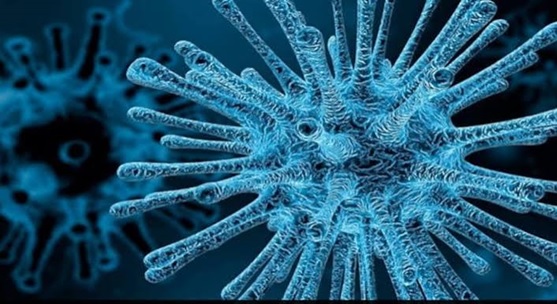

Chandipura Virus (CHPV)
Tue 04 Aug, 2026
Context
Chandipura Virus (CHPV) has re-emerged as a serious public health concern after Gujarat reported multiple cases of Acute Encephalitis Syndrome (AES) during the 2026 monsoon season. According to the Gujarat Health Department, 22 children lost their lives, while 35 children tested positive out of 184 suspected cases, with several samples still under investigation. The outbreak has once again highlighted the threat posed by vector-borne viral diseases during the monsoon season, particularly among children. In response, health authorities have intensified surveillance, hospital preparedness, vector control measures, and public awareness campaigns to prevent further transmission.
What is Chandipura Virus (CHPV)?
Transmission and Clinical Features
Diagnosis, Treatment and Prevention
Indian Government Initiatives to Control Viral Diseases
India has adopted several national programmes and surveillance mechanisms to control viral diseases and rapidly respond to outbreaks.
| Initiative | Implementing Agency/Ministry | Objective |
| Integrated Disease Surveillance Programme (IDSP) | Ministry of Health & Family Welfare | Early detection, surveillance and outbreak response for epidemic-prone diseases |
| National Centre for Disease Control (NCDC) | Ministry of Health & Family Welfare | Disease surveillance, laboratory support and epidemic investigation |
| National Vector Borne Disease Control Programme (NVBDCP)* | Ministry of Health & Family Welfare | Prevention and control of vector-borne diseases through surveillance and vector management |
| Universal Immunization Programme (UIP) | Ministry of Health & Family Welfare | Immunization against major vaccine-preventable viral diseases |
| Intensified Mission Indradhanush (IMI) | Ministry of Health & Family Welfare | Achieving full immunization coverage among children and pregnant women |
| Integrated Health Information Platform (IHIP) | National Centre for Disease Control | Real-time digital disease surveillance and reporting |
| One Health Approach | Multiple Ministries | Integrated management of diseases involving humans, animals and the environment |
Conclusion
Major Diseases Caused by Viruses
| Disease | Causative Virus |
| COVID-19 | SARS-CoV-2 |
| Dengue | Dengue Virus (DENV) |
| Chikungunya | Chikungunya Virus (CHIKV) |
| Japanese Encephalitis | Japanese Encephalitis Virus (JEV) |
| Chandipura Disease | Chandipura Virus (CHPV) |
| Rabies | Rabies Virus |
| Measles | Measles Virus |
| Mumps | Mumps Virus |
| Rubella | Rubella Virus |
| Chickenpox | Varicella-Zoster Virus (VZV) |
| Polio | Poliovirus |
| Influenza (Flu) | Influenza Virus |
| Hepatitis A | Hepatitis A Virus (HAV) |
| Hepatitis B | Hepatitis B Virus (HBV) |
| Hepatitis C | Hepatitis C Virus (HCV) |
| Hepatitis E | Hepatitis E Virus (HEV) |
| HIV/AIDS | Human Immunodeficiency Virus (HIV) |
| Nipah | Nipah Virus (NiV) |
| Zika | Zika Virus |
| Kyasanur Forest Disease (KFD) | Kyasanur Forest Disease Virus (KFDV) |
10 September, 2026
24 August, 2026
06 August, 2026
28 July, 2026
27 July, 2026
22 July, 2026
20 July, 2026
26 May, 2026
08 May, 2026
20 April, 2026
