NATIONAL NEWS
‘Seafarer-First’ initiative
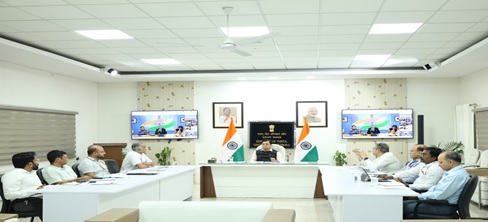
- Union Minister for Ports, Shipping and Waterways Sarbananda Sonowal launched the 'Seafarer-First' initiative to protect Indian sailors following recent merchant vessel attacks in the Strait of Hormuz. The emergency response implements real-time vessel tracking, dedicated liaison officers, and cross-ministry coordination.
- The Directorate General of Shipping is setting up an operational dashboard to monitor every Indian crew member in the Persian Gulf, Strait of Hormuz, and Gulf of Oman regardless of vessel flag.
Clean Godavari Bond
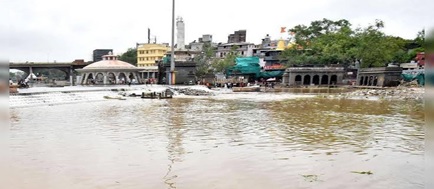
- The Union Ministry of Housing and Urban Affairs (MoHUA) approved a ₹26 crore incentive for the Nashik Municipal Corporation (NMC) for successfully raising ₹200 crore through the Clean Godavari Bond, which was listed on the National Stock Exchange (NSE) in December 2025.
STATE SPECIAL NEWS
India’s first government-driven Artificial Intelligence (AI) University
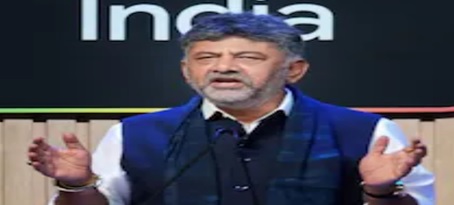
- Karnataka Chief Minister D.K. Shivakumar announced that India’s first government-driven Artificial Intelligence (AI) University will be established in Karnataka.
Karnataka
- Formed: in 1956 as Mysore State and in 1973 renamed as Karnataka
- Capital: Bengaluru
- Governor: Thawar Chand Gehlot
- Festivals: Kambla – Buffalo race, Ugadi, Hampi festival, Vairamudi Brahmotsava, Tulu Sankramma, Gowri, Karaga
- National Park: Bandipur NP, Anshi NP,
- Kudermukh NP, Nagarahole NP, Bannerghatta NP, Mudumalai NP
- Lakes: Ulsoor Lake, Kukkarahalli Lake, Jaraganahalli Lake
- Waterfalls: Jog, Gokak, Shivanasamudra Fall
- Dances: Yakshagana, Nagamandala, Kunitha, Krishna Parijatha, Bhootha Aradhane
- Hill Stations: Chikmagalur, Brahmagiri, Kodachadri, Nandi Hills, Kemmangundi, Madikeri, Nandi hills
- Tribes: Barda, Bavacha, Chodhara, Dubla, Gowdalu, Irulina
|
INTERNATIONAL NEWS
India–Maldives Free Trade Agreement Negotiations
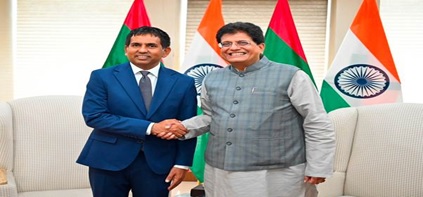
- The first round of negotiations for the India–Maldives Free Trade Agreement (FTA) concluded successfully after virtual discussions held from 29 June to 7 July 2026.
- Both countries reported substantial progress and broad convergence across eight technical sessions covering eight distinct policy areas.
Maldives
- Archipelago Structure: It is a chain of 26 natural atolls comprising over 1,192 coral islands situated in the Laccadive Sea.
- Crucial Channels (UPSC Favourite):
-
- Eight Degree Channel: Separates the Indian island of Minicoy (Lakshadweep) from the Maldives.
- Equatorial Channel: Separates the southern atolls of Huvadhu and Addu.
- Topography: It is the lowest country in the world, with an average ground level of just 1.5 metres above sea level. This makes it highly vulnerable to global warming and rising sea levels.
- Capital: Malé is one of the most densely populated cities in the world.
- Exclusive Economic Zone (EEZ): Despite its tiny landmass, it controls a massive EEZ in the strategically vital sea lanes of communication (SLOCs).
- Official Name: Republic of Maldives (Dhivehi Raajje).
- Current President: Dr. Mohamed Muizzu (assumed office on November 17, 2023).
- Legislature: Known as the People's Majlis. It is a unicameral legislative body.
- Official Language: Dhivehi (written in the Thaana script).
- Religion: Islam is the state religion, adopted in 1153 AD when the islands converted from Buddhism
|
SUMMITS AND CONFERNCES
'Vidhayi Gaurav Yatra: Former and Sitting Members' Conclave
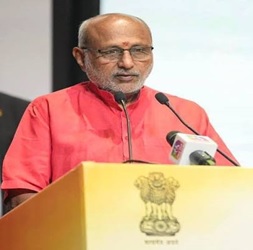
- The Vice-President of India, Shri C. P. Radhakrishnan, visited Jaipur, Rajasthan, to attend the valedictory session of the 'Vidhayi Gaurav Yatra: Former and Sitting Members' Conclave'.
- The event is a central highlight of the celebrations marking the 75th Year of the Rajasthan Legislative Assembly.
49th Session of the Codex Alimentarius Commission (CAC49)
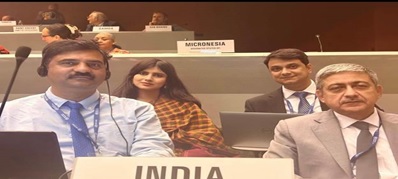
- The 49th Session of the Codex Alimentarius Commission (CAC49) was organised by Food and Agriculture Organization (FAO) and World Health Organization (WHO) in Geneva, Switzerland, from July 6 to 10, 2026, focusing on global food safety standards.
Major Highlights
- Adopted Standards: Seven texts under India's leadership were adopted, including standards for Dried Coriander Seeds and Fresh Curry Leaves.
- New Proposals: Approval granted to develop a new international Codex standard for Cashew Kernels.
- Leadership: The Indian delegation was led by Shri Rajit Punhani, CEO of the Food Safety and Standards Authority of India (FSSAI).
|
Food and Agriculture Organization (FAO)
- Establishment: 16 October 1945 (celebrated globally as World Food Day).
- Headquarters: Rome, Italy.
- Parent Organization: UN Economic and Social Council (ECOSOC).
- Membership: 194 member nations, including the European Union. India is a founding member.
Major Reports and Initiatives
- SOFIA Report: State of World Fisheries and Aquaculture (tracks global aquatic animal production, where India is a major top producer).
- SOFA Report: The State of Food and Agriculture.
- Codex Alimentarius Commission: Joint FAO/WHO body responsible for international food standards.
- Global Important Agricultural Heritage Systems (GIAHS): Recognizes dynamic traditional agricultural systems worldwide.
World Health Organization (WHO)
- Establishment Date: 7 April 1948 (Celebrated annually as World Health Day).
- Director-General: Dr. Tedros Adhanom Ghebreyesus
- Headquarters: Geneva, Switzerland.
- Total Members: 194 Member States.
- Parent Organization: United Nations Economic and Social Council (ECOSOC) / United Nations General Assembly.
Key Organs:
- World Health Assembly (WHA): Supreme decision-making body comprising all member states.
|
Media Capacity-Building Workshop
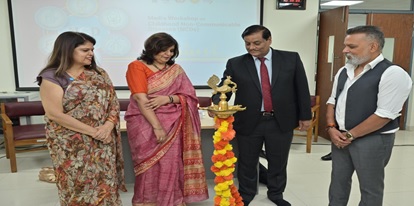
- Two-Day Media Capacity-Building Workshop to Strengthen Reporting on Childhood NCDs was co-organized by UNICEF India, Press Information Bureau (Western Zone) and AIIMS Nagpur in Nagpur.
UNICEF
- Established: December 11, 1946, by the UN General Assembly as the International Children's Emergency Fund to aid post-WWII children.
- Permanent Status: Made a permanent part of the UN system in 1953, dropping "International" and "Emergency" from the title but retaining the acronym.
- Headquarters: New York City, USA.
- Parent Body: Reports to and works under the authority of the United Nations Economic and Social Council (ECOSOC).
- Key Global Reports: The State of the World's Children (Flagship annual report) and Report on Child Mortality
- National Celebrity Advocate (India): Ayushmann Khurrana (Appointed as National Ambassador for UNICEF India)
|
15th BRICS Trade Union Forum Summit
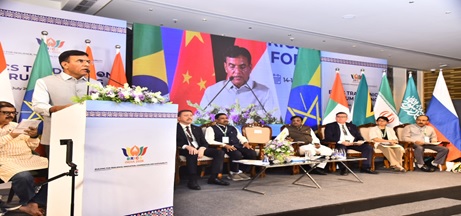
- Union Minister for Labour & Employment Dr. Mansukh Mandaviya inaugurated the 15th BRICS Trade Union Forum (TUF) Summit 2026 in Hyderabad.
BRICS
- An intergovernmental organization of major emerging economies that serves as a leading platform for South-South cooperation.
- Coined by: The term "BRIC" was originally coined in 2001 by Goldman Sachs economist Jim O'Neill
- Formalization: The grouping was formalized in September 2006 during the UN General Assembly in New York
- First Summit: The first official BRIC Summit was held in Yekaterinburg, Russia, in 2009.
- Original Members: Brazil, Russia, India, China (joined 2006) and South Africa (joined 2010).
- Recent Joiners (2024-2025): Egypt, Ethiopia, Iran, and the United Arab Emirates (UAE) became full members on January 1, 2024. Indonesia officially joined as a full member on January 6, 2025.
- Partnership Status: In 2024, a new "partner country" category was created. Current partners include Belarus, Bolivia, Cuba, Kazakhstan, Malaysia, Nigeria, Thailand, Uganda, Uzbekistan, and Vietnam.
- 2025 Presidency: Brazil held the chairmanship with the theme "Strengthening Global South Cooperation for More Inclusive and Sustainable Governance".
- 2026 Presidency: India assumed the BRICS Chairmanship on January 1, 2026. India is hosting the 18th BRICS Summit.
New Development Bank (NDB)
- Headquarters: Shanghai, China.
- Objective: Mobilizing resources for infrastructure and sustainable development projects in BRICS and other emerging economies.
- Contingent Reserve Arrangement (CRA): A framework created to provide mutual support against short-term balance of payments pressures.
|
SYNCHN 2026
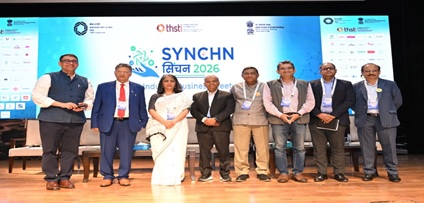
- The Translational Health Science and Technology Institute (THSTI), an institute of the Biotechnology Research and Innovation Council (BRIC), Department of Biotechnology, Government of India, hosted its third annual industry business meet, SYNCHN 2026 (Synergistic Collaboration in Healthcare Innovation), at the NCR Biotech Science Cluster campus in Faridabad.
31st Divya Kala Mela
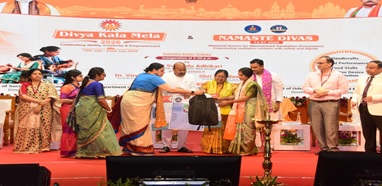
- Union Minister for Social Justice and Empowerment Dr. Virendra Kumar inaugurated the 31st Divya Kala Mela at Ravindra Sadan, Kolkata, to promotes self-reliance, dignity, and economic empowerment for persons with disabilities (Divyangjan).
Major initiatives for Divyangjan in India
|
Legislative Framework
- The Rights of Persons with Disabilities (RPwD) Act, 2016 serves as the bedrock for all modern welfare initiatives for Divyangjans in India.
- It replaces the older 1995 Act to align with the UN Convention on the Rights of Persons with Disabilities (UNCRPD), which India ratified in 2007.
- 21 Recognized Disabilities: Includes newly designated conditions like acid attack victims, Parkinson’s disease, Autism, Thalassemia, Hemophilia, and Sickle Cell disease.
- Penalty Provision: Introduces fine and imprisonment up to two years for violating the rights of disabled individuals or discriminating against them.
Major Flagship Initiatives & Schemes
1. Accessible India Campaign (Sugamya Bharat Abhiyan)
- Launch Year: 2015 [
- Core Objective: To achieve a barrier-free, universal design environment across three critical pillars:
-
- Built Environment: Retrofitting public infrastructure and buildings.
- Transportation: Making airports, railway platforms, and buses accessible.
- ICT Ecosystem: Ensuring government websites, mobile applications, and TV viewing formats are accessible.
- Digital Anchor: Sugamya Bharat App allows users to crowdsource and flag accessibility issues directly to the authorities.
2. Unique Disability ID (UDID) Project
- Core Objective: To build a centralized, nationwide database for PwDs.
- Exam Utility: Eliminates the need to carry multiple physical certificates across different state borders. The card tracks data online to guarantee a seamless cross-verification process for availing government welfare benefits.
3. Assistance to Disabled Persons for Purchase/Fitting of Aids and Appliances (ADIP Scheme)
- Core Objective: To provide financial grants to assist eligible beneficiaries in procuring sophisticated, modern, and high-quality assistive devices.
- Key Entity: Implemented via camps organized by the Artificial Limbs Manufacturing Corporation of India (ALIMCO).
4. PM-DAKSH Yojana & Skill Development
- Core Objective: Enhancing employment and self-reliance.
- Mechanism: Targets skill acquisition under the National Action Plan for Skill Development of PwDs, heavily supported through concessional loan options extended by the National Divyangjan Finance and Development Corporation (NDFDC).
Institutional Framework & Statutory Bodies
- Nodal Ministry: Ministry of Social Justice and Empowerment (specifically the Department of Empowerment of Persons with Disabilities / Divyangjan Sashaktikaran Vibhag).
- Rehabilitation Council of India (RCI): A statutory body set up under the RCI Act, 1992, to standardize training courses, regulate professional conduct, and maintain the central register of qualified rehabilitation professionals.
- The National Trust Act, 1999: A dedicated national body tasked with providing legal guardianship support and institutional care for intellectual challenges, specifically Autism, Cerebral Palsy, and Multiple Disabilities.
- National Institutes: Specialized research, education, and therapy centers such as the National Institute for the Visually Handicapped (Dehradun) and the National Institute of Mental Health Rehabilitation (Sehore).
Constitutional Provisions to Remember
- Article 14: Guarantees equal treatment and equality before the law.
- Article 21: Upholds the right to live a life with personal liberty and human dignity.
- Article 41 (DPSP): Directs the State to secure public assistance in cases of unemployment, old age, sickness, and disablement.
- Seventh Schedule: Places the relief of the disabled and unemployable populations squarely under the State List (Entry 9).
- Eleventh Schedule: Entrusts Panchayats with social welfare duties, specifically focusing on safeguarding the rights of disabled citizens (Entry 26)
|
IMPORTANT DAYS
World Youth Skills Day
- World Youth Skills Day is celebrated on July 15 to highlight the importance of equipping young people with practical expertise for employment, decent work, and entrepreneurship.
- Established by the United Nations in 2014, the 2026 theme is "Skills for a Shared Future".
BOOKS AND AUTHORS
Book “The Voice of Justice: Justice Gavai Speaks”
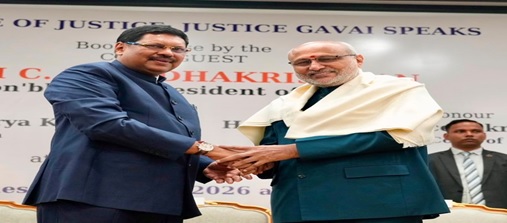
- The Vice-President of India, Shri C. P. Radhakrishnan, released the book “The Voice of Justice: Justice Gavai Speaks” at Uprashtrapati Bhavan.
- Edited by Prof. (Dr.) S. Sivakumar and published by Thomson Reuters in association with the Commonwealth Legal Education Association (C.L.E.A.), the volume brings together speeches, lectures and reflections of former Chief Justice of India, Justice B.R. Gavai.
ECONOMY & BANKING
India-UK Comprehensive Economic and Trade Agreement Comes into Force
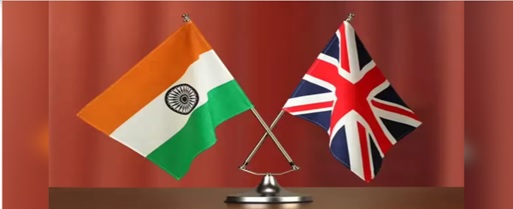
- The Comprehensive Economic and Trade Agreement (CETA) between India and the United Kingdom came into force from July 15, 2026.
- Agreement on Social Security, also referred to as the Double Contribution Convention (DCC), also came into effect, which reinforcing the mobility and competitiveness of Indian professionals in the United Kingdom.
First sub-sectoral trial Index of Services Production (ISP)
- The National Statistical Office (NSO), under the Ministry of Statistics & Programme Implementation (MoSPI), officially released the first sub-sectoral trial Index of Services Production (ISP) with Base Year 2024–25.
- Out of the 19 sub-sectors tracked by the trial ISP (which account for roughly 60% of India's services sector), 14 segments recorded double-digit growth compared to April 2025
‘Reform Express’ to Strengthen India's Freight Operations
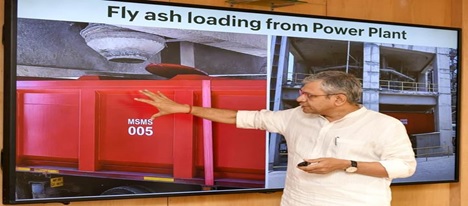
- Union Minister for Railways Shri Ashwini Vaishnaw announced eight new structural reforms under the total count to 17. Key updates focus on freight modernization, unified licensing, and simplified logistics.
New Freight and Container Reforms
- Fly ash & fertilizer movement: Shifted to dust-free, closed ISO-standard containers instead of open wagons.
- Unified CTO license: Replaced multi-category route restrictions with a single all-India Container Train Operator license.
- Food grains pricing: Introduced a simplified per tonne per kilometer rate for flour, pulses, and food grains replacing complex slabs.
Infrastructure and Workforce Policies
- Wagon design approval: New framework to encourage private industry innovation in specialized freight wagons.
- Artisan skilling: Project-specific skill training backed by QR-coded digital certificates linked to a verification database.
- Construction quality: Enhanced contractor qualification norms designed to minimize project delays and disputes.
Indian Railways
- Father of Indian Railways: Lord Dalhousie is credited for his "Railway Minutes" of 1853, which initiated the network.
- First Passenger Train: Ran on April 16, 1853, between Bori Bunder (Mumbai) and Thane (34 km).
-
- Locomotives: Three steam engines named Sahib, Sindh, and Sultan.
- Operator: Great Indian Peninsula Railway (GIPR).
- First Industrial Train: The Red Hill Railway (1837) in Madras was used to transport granite, predating the passenger service.
- First Electric Train: Started on February 3, 1925, between Bombay VT and Kurla on DC traction.
- Nationalization: 1951.
- Budget Merger: Since 1924, the Railway Budget was separate until it was merged with the Union Budget in 2017.
Chairman & CEO (Railway Board): Satish Kumar
First Female Chairperson: Jaya Varma Sinha
- Global Rank: Fourth largest railway network in the world (after US, China, and Russia).
- Zonal Structure: Divided into 18 administrative zones (including Metro Railway, Kolkata) and 68 divisions.
- Fastest Train: Vande Bharat Express (Indigenous semi-high speed).
- Longest Route: Vivek Express (Dibrugarh to Kanyakumari), covering ~4,234 km.
- World Heritage Sites (UNESCO): Four sites are recognized:
-
- Darjeeling Himalayan Railway
- Nilgiri Mountain Railway
- Kalka-Shimla Railway
- Chhatrapati Shivaji Maharaj Terminus (CSMT), Mumbai.
-
- Longest Platform: Gorakhpur (UP) at ~1,366 meters.
- Highest Rail Bridge: Chenab Bridge (35m taller than the Eiffel Tower).
- Milestones
- 1909: Introduction of toilets in trains (following a complaint letter by Okhil Chandra Sen).
- 1984: India’s first Metro started in Kolkata.
- 1986: First computerized reservation system launched in New Delhi.
- Mascot: Bholu, the Guard Elephant (introduced for the 150th anniversary in 2002).
|
IPC signed MoU with Uttar Pradesh Promote Pharma Council (UPPPC)
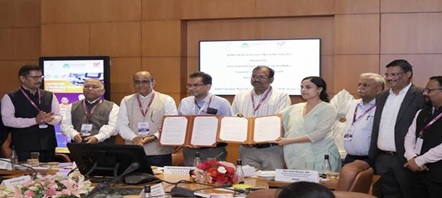
- Indian Pharmacopoeia Commission (IPC) signed a Memorandum of Understanding (MoU) with the Uttar Pradesh Promote Pharma Council (UPPPC) for advancing high-quality healthcare standards and strengthening the regulatory framework.
- The MoU was signed during the YEIDA MedTech Investors Meet & Site Visit 2026, held at the India Expo Mart, Greater Noida.
PERSON IN NEWS
K Kamaraj’s birth anniversary
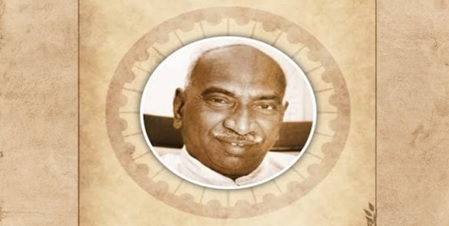
- K. Kamaraj's birth anniversary is celebrated on July 15th every year. Known as 'Perunthalaivar', he was a former Chief Minister of Tamil Nadu, a freedom fighter, and a Bharat Ratna recipient.
- In Tamil Nadu, this day is observed as Education Development Day.
DEFENCE NEWS
Shaurya Vijay Yatra
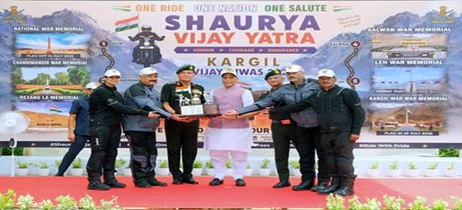
- As part of the nationwide observance of Kargil Vijay Diwas 2026, Raksha Mantri Shri Rajnath Singh, flagged-off the 13-day ‘Shaurya Vijay Yatra’, a commemorative motorcycle expedition, from the National War Memorial, New Delhi to the Kargil War Memorial in Dras, Ladakh.
SPORTS
Mascot of the 22nd Commonwealth Table Tennis Championship
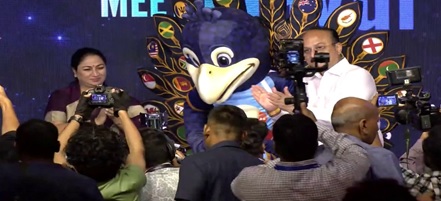
- Delhi Chief Minister Rekha Gupta unveiled 'Mayur', a peacock-inspired mascot, for the 22nd Commonwealth Table Tennis Championships.


 Don't Have an Account?