GK Update
 
  • Mobile Menu
HOME BUY MAGAZINEnew course icon
LOG IN SIGN UP

Sign-Up IcanDon't Have an Account?


SIGN UP


Login Icon

Have an Account?


LOG IN
 

or
By clicking on Register, you are agreeing to our Terms & Conditions.


or


GK Update

Fri 12 Jun, 2026

National News

Tripartite Agreement for Natural Gas Exploration and Production
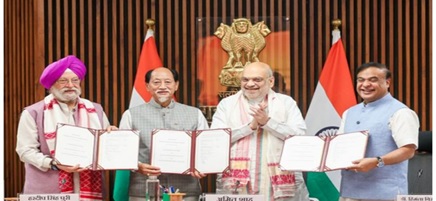
  • The Central Government signed a tripartite Memorandum of Understanding (MoU) with the governments of Assam and Nagaland for the exploration and production of crude oil and natural gas.

Key Facts:

  • Signatories and Presence: The agreement was signed in New Delhi in the presence of Union Home Minister Amit Shah, Minister of Petroleum and Natural Gas Hardeep Singh Puri, Assam Chief Minister Himanta Biswa Sarma, and Nagaland Chief Minister Neiphiu Rio.
  • Disputed Area Belt (DAB): This agreement will resolve the deadlock regarding oil and gas exploration in the Disputed Area Belt (DAB)—a dispute pending between the two states for nearly three decades—and along the 434-kilometer-long inter-state border.
  • Revenue Sharing: Under this agreement, the revenue generated from the extracted oil and gas will be shared between Assam and Nagaland in a 50:50 ratio.
  • Increase in Production: Currently, oil production from this border region stands at 1,000 to 1,500 barrels per day; this is projected to increase more than tenfold. Oil and gas production will resume in Nagaland after a gap of approximately 31 years.

Important Exam-Relevant Facts:

  • Digboi (1889): India's and Asia's first oil well.
  • Digboi Refinery (1901): Asia's oldest operational refinery.
  • Assam: One of India's major crude oil and natural gas-producing states.
  • Naga-Schuppen Belt: Nagaland's major hydrocarbon (oil and gas) region.
  • Assam's 4 major refineries: Digboi, Noonmati (Guwahati), Bongaigaon, and Numaligarh.

Launch of WhatsApp-based AI Advisory Service 'Oilseeds Kisan Mitra'
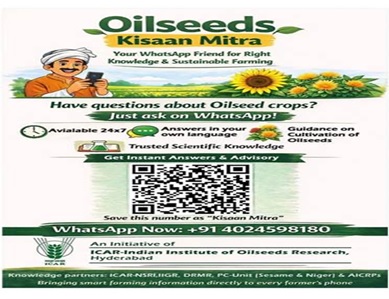
  • The Ministry of Agriculture has launched a WhatsApp-based AI advisory service named 'Oilseeds Kisan Mitra', aimed at providing round-the-clock, free scientific guidance to the country's oilseed farmers.

Key Facts:

  • Developed by: ICAR-Indian Institute of Oilseeds Research (ICAR-IIOR), Hyderabad.
  • Main Objective: To reduce dependence on edible oil imports in India and boost domestic oilseed production and productivity.
  • Technical Platform: It is a WhatsApp-based AI chatbot service; farmers do not need to download any separate app to use it.
  • Helpline Number: Farmers can avail of this service by sending a message to the official number +91 4024598180.
  • Crops: It covers a total of nine major annual oilseed crops, including groundnut, mustard, sesame, sunflower, soybean, and niger (Ramtil).

Oilseed Crops:

  • In India, oilseed crops are primarily categorized into two groups
  • Kharif oilseeds: Groundnut, soybean, sesame (in North India), castor, niger.
  • Rabi oilseeds: Rapeseed and mustard, linseed, toria, safflower.
  • Largest oilseed-producing state: Rajasthan (holds the top spot due to massive mustard production; followed by Madhya Pradesh and Gujarat).
  • Largest soybean producers: Madhya Pradesh (MP is also known as the 'Soya State') and Maharashtra.
  • Largest groundnut producer: Gujarat.
  • Largest mustard producer: Rajasthan.
  • Geographical conditions for major crops:

Groundnut:

  • Soil: Sandy loam or black soil.
  • Temperature: 20°C to 30°C.
  • Rainfall: 50 to 100 cm.

Mustard:

  • Soil: Loam soil.
  • Temperature: 10°C to 25°C (cool climate).
  • Rainfall: 25 to 60 cm.

Soybean:

  • Soil: Well-drained black or loam soil.
  • Temperature: 15°C to 32°C.
  • Rainfall: 60 to 85 cm.

Exam-relevant facts:

  • Yellow Revolution: Launched in 1987-88 to boost oilseed production in India; Sam Pitroda is considered its father.
  • Edible oil imports: India imports approximately 55-60% of its total edible oil requirement. India primarily imports palm oil from Indonesia and Malaysia.
  • Sesame: A unique crop considered a Kharif crop in North India and a Rabi crop in South India.

BRICS Urbanization Forum

  • The '13th BRICS Urbanization Forum' was held in New Delhi under India's presidency, with the theme "Cities for People: BRICS Cooperation for an Inclusive and Resilient Urban Future."

Key Facts:

  • Venue: New Delhi (Sushma Swaraj Bhawan)
  • Inaugurated by: Union Minister for Housing and Urban Affairs, Manohar Lal Khattar
  • Hosted by India: This marks the fourth time India has hosted the BRICS Urbanization Forum.
  • Presidency Vision: Guided by Prime Minister Narendra Modi's vision of "Humanity First," with the overarching theme of "Building for Resilience, Innovation, Cooperation, and Sustainability."
  • India previously hosted the event in 2013 (New Delhi), 2016 (Visakhapatnam), and 2021 (virtually).
  • Special Report Launch: During the forum, Union Minister Manohar Lal also released a report titled "India’s Urban Transformation: Stories of Change."

BRICS:

  • A group of the world's major emerging economies
  • Full Name: BRICS stands for Brazil, Russia, India, China, and South Africa
  • Concept: The term 'BRIC' was first coined by British economist Jim O'Neill in 2001
  • First Formal Meeting: The first meeting of foreign ministers took place in New York in September 2006
  • First Summit: Held on June 16, 2009, in Yekaterinburg, Russia
  • Inclusion of South Africa: South Africa became part of the group in 2010, after which the name changed from BRIC to BRICS
  • New Members (effective from January 1, 2024): Egypt, Ethiopia, Iran, and the United Arab Emirates (UAE)
  • Indonesia joined as a full member in 2025
  • New Development Bank (NDB): Also known as the 'BRICS Bank'; established in July 2014 (during the Fortaleza Summit)
  • NDB Headquarters: Shanghai, China
  • Contingent Reserve Arrangement (CRA): A framework created to address global liquidity crises
  • BRICS accounts for 45% of the world's population and 37.3% of the global GDP, figures that exceed the European Union's 14.5% and the G7's 29.3%
  • With the inclusion of Iran, Saudi Arabia, and the UAE, BRICS now accounts for approximately 44% of global crude oil production

Summits and Presidency:

  • 16th Summit (2024): Kazan, Russia
  • 17th Summit (2025): Brazil
  • 18th Summit (2026): India (starting January 1, 2026)

'One Station One Product' (OSOP) Initiative Implemented
  • The 'One Station One Product' (OSOP) initiative has been implemented by the Ministry of Micro, Small and Medium Enterprises (Ministry of MSME) for *Divyangjan* (differently-abled) Vishwakarma artisans under the Pradhan Mantri Vishwakarma Yojana (PMV).

Key Facts:

  • Partnership/Ministry: This initiative is part of the joint efforts of the Ministry of MSME and the Ministry of Railways (based on an agreement reached in January 2026).
  • Main Objectives: To provide differently-abled artisans with better market access, financial independence, and livelihood opportunities, and to foster economic inclusion.
  • Number of Beneficiaries: So far, under this initiative, stalls have been provided at railway stations across various states to 28 differently-abled beneficiaries engaged in various trades.
  • Three Pillars of PM Vishwakarma Yojana: The scheme is based on three main pillars—*Samman* (Recognition), *Samarthya* (Capability), and *Samriddhi* (Prosperity). OSOP falls under the 'Samriddhi' component of this scheme.

Pradhan Mantri Vishwakarma Yojana (PMV):

  • A Central Sector Scheme
  • Launched by Prime Minister Narendra Modi on September 17, 2023 (Vishwakarma Jayanti)
  • The primary objective of the scheme is the holistic development of traditional craftspeople and artisans (the Vishwakarma community) by providing financial assistance, modern tools, training, and market access
  • Start Date: September 17, 2023
  • Nodal Ministry: Ministry of Micro, Small and Medium Enterprises (MSME)
  • Partner Ministries: Ministry of Skill Development and Entrepreneurship and Department of Financial Services
  • Scheme Duration: 5 years (from FY 2023-24 to 2027-28)
  • Budget Allocation: ₹13,000 crore

Financial Assistance:

  • First loan of up to ₹1 lakh: collateral-free, at an interest rate of 5% per annum, for a tenure of 18 months
  • Second loan of up to ₹2 lakh (upon timely repayment): at an interest rate of 5%, for a tenure of 30 months
  • Total assistance of up to ₹3 lakh

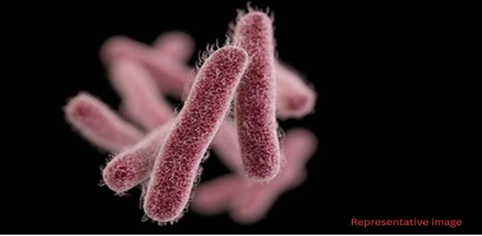
'Shigella Infection' in Kerala

  • Cases of 'Shigella infection' have been reported in Kerala.
  • According to Health Minister K. Muralidharan, the infection has been confirmed in six people in Thiruvananthapuram, two in Kollam, and three in Kozhikode.
  • Nine cases have been reported in Wayanad district.

Shigella Infection:

  • Type of pathogen: It is a bacterial infection.
  • Name of bacteria: It is caused by a group of bacteria known as 'Shigella'.
  • Affected organ: It primarily affects the human digestive system (intestines).
  • Name of the disease: The disease caused by this infection is known as Shigellosis or 'bacillary dysentery'.

Economy and Banking

Launch of Cross-Border Remittance Mechanism between India and Nepal
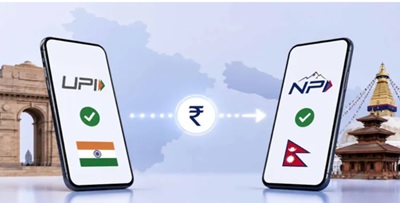
  • India and Nepal launched a cross-border person-to-person (P2P) remittance mechanism by linking their digital payment systems (UPI-NPI).

Unified Payments Interface (UPI):

  • Launch: 11 April 2016, by the then RBI Governor Raghuram Rajan
  • Developer: National Payments Corporation of India (NPCI)
  • Regulatory Body: Reserve Bank of India (RBI)
  • Objective: To facilitate instant, secure, and integrated banking transactions on mobile platforms
  • Transaction Types: Person-to-Person (P2P) and Person-to-Merchant (P2M)
  • Nature of Transactions: 24×7 instant money transfer (interbank transfer), QR code-based payments
  • Key Feature: Payments made using only a Virtual Payment Address (VPA) or mobile number
  • Popular Apps linked to UPI: PhonePe, Google Pay, Paytm, BHIM, Amazon Pay, etc.
  • BHIM App: UPI-based government app developed by NPCI (Launched: 30 December 2016)
  • Major Countries Accepting UPI: Currently, UPI is accepted in nine countries—Singapore, United Arab Emirates, France, Mauritius, Nepal, Bhutan, Qatar, Sri Lanka, and Cambodia. Indian travelers can easily make digital payments in these countries using the UPI platforms they are familiar with.

India's Economic Growth Rate in FY 2026-27: World Bank
  • The World Bank has projected India's economic growth rate to be 6.6% for the financial year 2026-27.

Related Facts:

  • Reason for slowdown: A decline in private demand due to high energy prices and rising raw material costs.
  • Fastest-growing economy: Despite this dip in the growth rate, India will remain the world's fastest-growing major economy.
  • Previous year's growth rate: India's projected GDP growth rate for FY 2025-26 was 7.7%.
  • Future projection: According to the World Bank, India's growth rate could regain momentum and reach 7.2% in FY 2027-28.

Projections by other major rating agencies (FY 2026-27):

  • Reserve Bank of India (RBI): 6.6%
  • International Monetary Fund (IMF): 6.5%
  • Asian Development Bank (ADB): 6.9%

World Bank:

  • Establishment: 1944 (Bretton Woods Conference)
  • Headquarters: Washington, D.C., United States
  • Operations began: 1946
  • President: Ajay Banga

5 institutions of the World Bank Group:

  • IBRD – International Bank for Reconstruction and Development
  • IDA – International Development Association
  • IFC – International Finance Corporation
  • MIGA – Multilateral Investment Guarantee Agency
  • ICSID – International Centre for Settlement of Investment Disputes

Agreement involving CSIR-CECRI (Karaikudi)

  • NLC India Limited (NLCIL) and CSIR-CECRI (Central Electrochemical Research Institute) signed a significant Memorandum of Understanding (MoU) to develop technology for extracting Rare Earth Elements (REEs) and critical minerals from mining waste.

Key Facts:

  • The agreement was signed by I.S. Jasper Rose, Executive Director (Mines & Land) of NLCIL, and Dr. K. Ramesha, Director of CSIR-CECRI.
  • Mineral Extraction: Identifying and recovering valuable elements from mining waste (overburden and tailings) generated at the Neyveli mines.

Important Exam-Related Facts:

  • NLC India Limited: A 'Navratna' Public Sector Undertaking (PSU) under the administrative control of the Ministry of Coal, Government of India.
  • CSIR-CECRI: Stands for Central Electrochemical Research Institute. Its headquarters is located in Karaikudi, Tamil Nadu.
  • Rare Earth Elements (REE): A group of 17 chemical elements, comprising the 15 lanthanides along with Scandium (Sc) and Yttrium (Y). They are used in defense equipment, electric vehicle (EV) batteries, electronics, and high-technology industries.
  • Overburden: The topsoil and rock removed during mining to access the main ore or coal seam are referred to as overburden.
  • Tailings: Fine waste materials remaining after the processing or grinding of minerals are known as tailings.

Appointments

Sanjay Lohia

  • The Central Government has nominated Sanjay Lohia, Secretary of the Department of Financial Services (DFS) under the Ministry of Finance, as a 'Director on the Central Board' of both the Reserve Bank of India (RBI) and the State Bank of India (SBI).

Related Facts:

  • Profile of Sanjay Lohia: He is a 1994-batch IAS officer belonging to the Assam-Meghalaya cadre.
  • Current Position: He assumed charge as Secretary of the Department of Financial Services (DFS), Ministry of Finance, on June 1, 2026.
  • Appointment to the Board: He has been nominated to the RBI Central Board by the Central Government under Section 8(1)(d) of the RBI Act, 1934. Additionally, he has been appointed as a Director on the Central Board of the SBI. Structure of the RBI Central Board:
  • The overall management and direction of the RBI are vested in a 21-member Central Board of Directors.
  • Government Officials (Ex-officio): 1 Governor and up to 4 Deputy Governors.
  • Government Representatives: 2 officials from the Ministry of Finance (usually the Secretary, Department of Economic Affairs and the Secretary, Department of Financial Services – currently including Sanjay Lohiya).
  • Non-Government Directors: 10 directors from various fields nominated by the Government of India.
  • Local Board Representatives: 4 directors from the 4 local boards (Mumbai, Kolkata, Chennai, and New Delhi).

Reserve Bank of India (RBI):

  • Establishment: 1 April 1935 (under the RBI Act, 1934).
  • Recommendation: Hilton Young Commission (Royal Commission on Indian Currency and Finance, 1926).
  • Nationalization: 1 January 1949 (currently wholly owned by the Government of India – Ministry of Finance).
  • Headquarters: Initially Kolkata; permanently shifted to Mumbai in 1937.
  • First Governor: Sir Osborne Smith.
  • First Indian Governor: C. D. Deshmukh.
  • Symbol: Tiger and Palm Tree.
  • (Previously, the lion and tree were derived from the East India Company's seal).

State Bank of India (SBI):

  • India's largest and oldest public sector bank.
  • Year of Establishment: 1806 (as the Bank of Calcutta).
  • Transition from Imperial Bank: In 1921, three Presidency Banks merged to form the 'Imperial Bank of India'; it was nationalized on 1 July 1955 and renamed the State Bank of India (SBI).
  • Headquarters: Mumbai, Maharashtra.

‘Rudra Gaurav Shresth’ – New Indian Ambassador to Türkiye
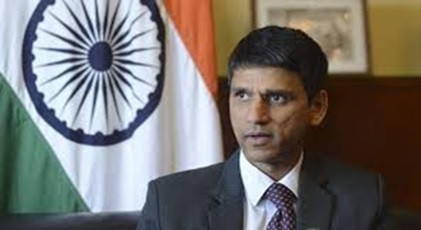
  • The Ministry of External Affairs has appointed senior diplomat Rudra Gaurav Shresth (a 1999-batch IFS officer) as India's new Ambassador to Türkiye.

Key Facts:

  • Previous Assignment: Prior to this appointment, he served as India's Ambassador to Iran (since May 2023).
  • Career Background: He is a 1999-batch Indian Foreign Service (IFS) officer. He has also served on deputation at the Prime Minister's Office (PMO) for three years.
  • Other Diplomatic Assignments: He has also served as India's High Commissioner to Mozambique (2016–2019).

Türkiye:

  • Capital: Ankara
  • Largest City: Istanbul
  • Currency: Turkish Lira
  • Continent: Asia and Europe
  • National Day: October 29
  • President: Recep Tayyip Erdoğan
  • Bordering Countries: Greece, Bulgaria, Georgia, Armenia, Azerbaijan (Nakhchivan), Iran, Iraq, and Syria.
  • Important Straits: Bosphorus and Dardanelles, which connect Europe and Asia.

Important Day

World Day Against Child Labour

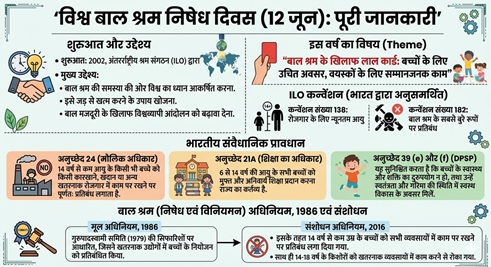
  • World Day Against Child Labour is observed annually on June 12.

Related Facts:

  • Inception: 2002, by the International Labour Organization (ILO).
  • Theme for this year: "Red Card Against Child Labour: Fair opportunities for children, decent work for adults."
  • Main Objectives: To draw global attention to the issue of child labour, find ways to eradicate it, and promote a worldwide movement against child labour.
  • ILO Conventions: India has ratified two key ILO conventions related to child labour:
  • Convention No. 138: Minimum Age for Employment.
  • Convention No. 182: Prohibition of the Worst Forms of Child Labour.

Indian Constitutional Provisions related to Child Labour:

  • Article 24 (Fundamental Right): Completely prohibits the employment of any child under the age of 14 in a factory, mine, or other hazardous employment.
  • Article 21A (Right to Education): It is the duty of the State to provide free and compulsory education to all children aged 6 to 14 years.
  • Article 39 (e) and (f) (DPSP): Ensures that the health and strength of children are not abused and that they are given opportunities for healthy development in conditions of freedom and dignity.
  • Child Labour (Prohibition and Regulation) Act, 1986: Based on the recommendations of the Gurupadaswamy Committee (1979), which prohibited the employment of children in hazardous industries.
  • Amendment Act, 2016: Prohibited the employment of children under the age of 14 in all occupations. Additionally, adolescents aged 14–18 were prohibited from working in hazardous occupations.

International Labour Organization (ILO):

  • Established: April 11, 1919 (under the Treaty of Versailles following World War I)
  • Headquarters: Geneva, Switzerland
  • Parent Organization: First specialized agency of the United Nations (UN) (affiliated in 1946)
  • Total Member Countries: 187 (186 UN member states and the Cook Islands)
  • Nobel Peace Prize: Received in 1969 for promoting workers' rights and social justice.
  • Director-General: Gilbert F. Houngbo

Person in News

Sharda Devi

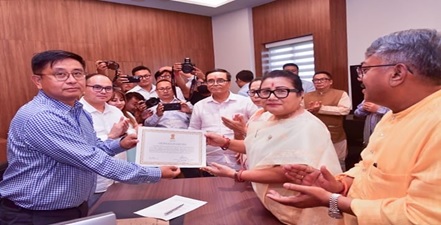
  • Manipur BJP President Adhikarimayum Sharda Devi was elected unopposed to the state's lone Rajya Sabha seat.

Related Facts:

  • Number of seats: There is only one Rajya Sabha seat (the sole seat) in the state of Manipur.
  • Replaced: She will replace the incumbent Rajya Sabha MP Leishemba Sanajaoba, whose term ends in June 2026.
  • Women's representation: She is set to become the second woman from Manipur to serve in Parliament, after Kim Gangte.

Exam-relevant facts:

  • Article 80: Composition of the Rajya Sabha.
  • Article 84: Qualifications for Rajya Sabha membership (minimum age 30 years).
  • Fourth Schedule: Allocation of seats for states and Union Territories.
  • Representation: Only three Union Territories (Delhi, Puducherry, and Jammu & Kashmir) have representation in the Rajya Sabha, as the others do not have Legislative Assemblies.


Latest Courses