


 Don't Have an Account?




SSC Foundation Ramanujam - 21 Offline Cum Online Batch Orai
02 November, 2026



Enter your Email ID and we'll send you a link to get back into your account.

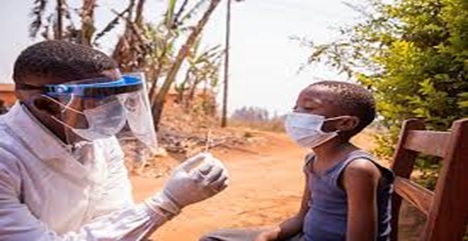

Ebola Crisis in African Countries
Mon 25 May, 2026
Introduction
The recent Ebola Virus Disease (EVD) outbreak in Central and East Africa, particularly in the Democratic Republic of the Congo and Uganda, has emerged as a serious global public health concern. The outbreak is linked to the rare Bundibugyo strain of Ebola virus, for which no approved vaccine or specific treatment currently exists. Owing to its rapid spread, cross-border risks, and weak healthcare systems in affected regions, the World Health Organization (WHO) declared it a Public Health Emergency of International Concern (PHEIC) in May 2026.
Why is Africa Facing Another Crisis?
Major Reasons Behind the Current Outbreak
1. Bundibugyo Ebola Virus Strain
The outbreak is caused by the rare Bundibugyo ebolavirus, a strain lacking licensed vaccines and approved targeted therapeutics, making containment more difficult.
2. Weak Healthcare Infrastructure
Conflict-hit regions of eastern Congo suffer from poor hospital systems, shortages of medical staff, low testing capacity, and delayed diagnosis. WHO highlighted testing shortages as a major challenge.
3. Cross-Border Mobility
Frequent migration across porous borders among Congo, Uganda, Rwanda, and South Sudan increases transmission risks. Imported infections in Uganda demonstrate this challenge.
4. Armed Conflict and Displacement
Ongoing violence in eastern DRC has displaced populations and reduced public-health outreach, hampering contact tracing and disease surveillance.
5. Human–Animal Interface
Ebola is a zoonotic disease and may spill over through contact with infected wildlife or reservoir species, particularly fruit bats.
About Ebola Virus Disease (EVD)
Ebola Virus Disease is a highly fatal zoonotic hemorrhagic fever caused by viruses of the Filoviridae family (genus: Orthoebolavirus). It was first identified in 1976 near the Ebola River in DRC. Ebola spreads through direct contact with infected bodily fluids, contaminated objects, or infected animals. Fruit bats are believed to be the natural reservoir host. Symptoms include fever, fatigue, internal bleeding, vomiting, and organ failure.
Key Features of Ebola
WHO’s Role in Combating the Ebola Crisis
The WHO plays a leading global coordinating role in outbreak response.
Major WHO Interventions
Global Response and International Role
Several international agencies and governments have stepped in to support Africa.
Major Actions
Impact on India
Although no Ebola case has been reported in India, the outbreak raises concerns for public health preparedness.
Potential Impacts
Government of India Initiatives to Combat Infectious Disease Outbreaks
| Initiative | Year |
| Integrated Disease Surveillance Programme (IDSP) | 2004 |
| National Centre for Disease Control (NCDC) Strengthening | 2009 onward |
| Integrated Health Information Platform (IHIP) | 2021 |
| Pradhan Mantri Ayushman Bharat Health Infrastructure Mission | 2021 |
| One Health Mission | 2022 |
| Indian Council of Medical Research (ICMR) Viral Research Labs | Expanded after 2020 |
Way Forward
02 November, 2026
01 November, 2026
10 September, 2026
24 August, 2026
06 August, 2026
28 July, 2026
27 July, 2026
22 July, 2026
20 July, 2026
26 May, 2026
