GK Update
 
  • Mobile Menu
HOME BUY MAGAZINEnew course icon
LOG IN SIGN UP

Sign-Up IcanDon't Have an Account?


SIGN UP


Login Icon

Have an Account?


LOG IN
 

or
By clicking on Register, you are agreeing to our Terms & Conditions.


or


GK Update

Wed 20 May, 2026

National News

Ayush Grant Portal

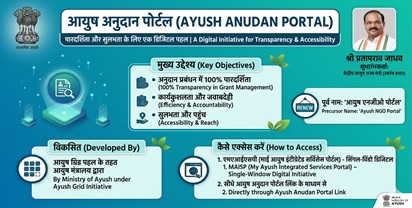
  • Union Minister Prataprao Jadhav launched the Ayush Grant Portal under the Ayush Grid Initiative.

Related Facts:

  • Launched by: Union Minister of State (Independent Charge) for AYUSH, Prataprao Jadhav
  • Former Name: Earlier known as the ‘Ayush NGO Portal’, it has now been completely modernised and upgraded.
  • Objective: To ensure 100% transparency, efficiency, accountability, and accessibility in the entire grant management process.
  • Developed by: Ministry of AYUSH under the Ayush Grid Initiative
  • The portal can be accessed through the Ministry of AYUSH’s MAISP (My Ayush Integrated Services Portal), the ministry’s single-window digital initiative, or directly through the Ayush Grant Portal link.

‘AYUSH’

Full Form:

  • A - Ayurveda
  • Y - Yoga & Naturopathy
  • U - Unani
  • S - Siddha
  • H - Homeopathy
  • Formation of AYUSH Ministry: November 2014

Major National Institutes:

  • All India Institute of Ayurveda (AIIA): New Delhi
  • National Institute of Ayurveda (NIA): Jaipur, Rajasthan
  • National Institute of Homeopathy (NIH): Kolkata, West Bengal
  • National Institute of Unani Medicine (NIUM): Bengaluru, Karnataka
  • National Institute of Siddha (NIS): Chennai, Tamil Nadu
  • National Institute of Naturopathy (NIN): Pune, Maharashtra
  • National Institute of Sowa-Rigpa (NISR): Leh, Ladakh

Important Days:

  • International Day of Yoga: 21 June (since 2015)
  • National Ayurveda Day: Celebrated every year on Dhanvantari Jayanti (Dhanteras)
  • World Homeopathy Day: 10 April (birth anniversary of Dr. Samuel Hahnemann)
  • National Naturopathy Day: 18 November

Important Personalities:

  • Father of Homeopathy: Dr. Christian Friedrich Samuel Hahnemann (Germany)
  • Father of Ayurveda: Maharishi Charaka (author of ‘Charaka Samhita’)
  • Father of Surgery: Maharishi Sushruta (author of ‘Sushruta Samhita’)
  • WHO Global Centre for Traditional Medicine (GCTM):
  • Established in Jamnagar, Gujarat
  • It is the world’s first and only global centre for traditional medicine.

Citizenship (Amendment) Rules, 2026

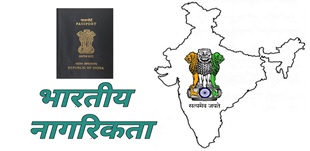
  • The Ministry of Home Affairs (MHA) notified the Citizenship (Amendment) Rules, 2026 by amending the Citizenship Rules, 2009.
  • According to the amendment, applicants from Pakistan, Afghanistan, and Bangladesh will be required to produce passports.
  • The notification issued by the ministry on 18 May stated: “(1) These rules may be called the Citizenship (Amendment) Rules, 2026. (2) They shall come into force from the date of their publication in the Official Gazette.”

Related Facts:

  • Target Countries: The law specifically applies to migrants from three Muslim-majority neighbouring countries — Pakistan, Bangladesh, and Afghanistan.
  • Included Communities: Provision has been made to grant citizenship to six non-Muslim minority communities — Hindus, Sikhs, Buddhists, Jains, Parsis, and Christians.
  • Cut-off Date: Only those migrants who entered India on or before 31 December 2014 are eligible.
  • Relaxation in Residency Period: The mandatory residence period in India for citizenship through naturalisation has been reduced from 11 years to 5 years.

Important Articles Related to Citizenship:

  • Article 5: Defines the conditions for citizenship of persons domiciled in India at the commencement of the Constitution (26 January 1950).
  • Article 6: Deals with citizenship rights of people who migrated from Pakistan to India during Partition.
  • Article 7: States that persons who migrated to Pakistan after 1 March 1947 lost Indian citizenship unless they returned for resettlement.
  • Article 8: Relates to citizenship rights of Persons of Indian Origin (PIOs) residing outside India.
  • Article 9: Provides that any person voluntarily acquiring citizenship of another country loses Indian citizenship (India does not allow dual citizenship).
  • Article 10: States that citizenship rights continue subject to laws made by Parliament.
  • Article 11: Empowers Parliament to make laws regarding acquisition and termination of citizenship; under this provision, the Citizenship Act, 1955 was enacted.
  • Rights of Citizens: Fundamental Rights under Articles 15, 16, 19, 29, and 30 are available only to Indian citizens and not to foreigners.

BCCI Not Covered Under RTI Act, 2005

  • The Central Information Commission (CIC), in one of its decisions, clarified that the Board of Control for Cricket in India (BCCI) does not fall under the definition of a “Public Authority” under the Right to Information (RTI) Act, 2005.

Related Facts:

Main Basis of the Decision:

  • Non-Government Status: Information Commissioner P.R. Ramesh stated that BCCI is an autonomous private body registered under the Tamil Nadu Societies Registration Act.
  • Lack of Government Funding: The Commission observed that BCCI earns its own revenue through media rights, sponsorships, and ticket sales, and does not receive any direct or indirect financial assistance from the government.

Right to Information (RTI) Act, 2005

  • Provides citizens the right to access information available under the control of public authorities.
  • Passed by Parliament: June 2005
  • Came into Force: October 2005
  • Nodal Agency: Department of Personnel and Training under the Ministry of Personnel, Public Grievances and Pensions (MoPPG&P)
  • Replaced the Freedom of Information Act, 2002
  • Central Information Commission (CIC):

  • Established: 2005 under the RTI Act, 2005
  • Appointment: By the President on the recommendation of a committee

Committee Includes:

  • Prime Minister (Chairperson)
  • Leader of Opposition in Lok Sabha
  • A Union Cabinet Minister nominated by the Prime Minister
  • Current Chief Information Commissioner: Raj Kumar Goel
  • Tenure: Term prescribed by the Central Government or till attaining the age of 65 years, whichever is earlier
  • Not eligible for reappointment

State Information Commission:

  • A statutory body
  • Constituted by: State Government
  • Appointment: By the Governor on the recommendation of a committee

Committee Includes:

  • Chief Minister (Chairperson)
  • Leader of Opposition in the Legislative Assembly
  • A State Cabinet Minister nominated by the Chief Minister
  • Salary, allowances, and other service conditions: Determined by the Central Government.

Inauguration of Eastern Regional Agriculture Conference 2026
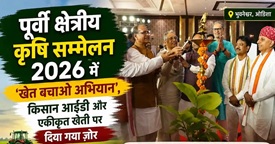
  • The Eastern Regional Agriculture Conference was inaugurated in Bhubaneswar by Union Minister Shivraj Singh Chouhan and Odisha Chief Minister Mohan Charan Majhi.

Related Facts:

  • Participating States: The conference included five eastern states — Odisha, Bihar, Jharkhand, Chhattisgarh, and West Bengal.
  • Objective: To make Eastern India the “growth engine” of the country’s agricultural development by utilising its fertile land and water resources.
  • Organiser: Union Ministry of Agriculture & Farmers Welfare

Key Discussion Topics:

  • Progress of Farmer Registry
  • Potential of the horticulture sector
  • Mission for self-reliance in pulses production
  • National Mission on Edible Oils–Oilseeds (NMEO-OS)
  • PM-AASHA
  • National Mission on Natural Farming
  • Issues related to farm credit and Kisan Credit Card

Best Practices Shared by States:

  • Odisha: Paddy procurement system, millet promotion (Odisha Millet Mission), and ‘Samruddha Krushak Yojana’
  • Bihar: Maize production and its improved marketing model
  • Jharkhand: FPO-based value chain and agricultural startup ecosystem
  • West Bengal: Advanced seed production technology

High-Level Review Meeting on Project Cheetah
  • A high-level review meeting regarding Project Cheetah was held under the chairmanship of Bhupender Yadav, Minister of Environment, Forest and Climate Change.

Key Highlights:

  • The meeting was attended by senior officials from the Ministry of Environment, Forest and Climate Change (MoEFCC), project experts, and senior field officials involved in wildlife conservation across the country.
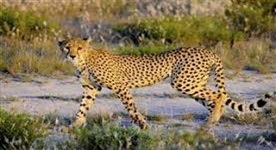
  • Project Cheetah is a pioneering initiative launched with the objective of re-establishing cheetahs in India following their extinction in the country. The program commenced with the translocation of a founder group of 20 cheetahs from Namibia and South Africa, and was subsequently expanded to include 9 additional cheetahs from Botswana through coordinated international cooperation and scientific planning.
  • Currently, the cheetah population stands at 53, of which 33 were born in India.

6th Meeting of the Governing Body of NERIWALM
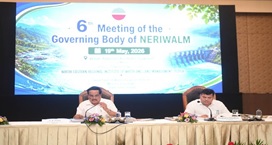
  • Union Minister of Jal Shakti, C.R. Patil, presided over the 6th meeting of the Governing Body of NERIWALM in Guwahati.

NERIWALM:

  • Full Name: North Eastern Regional Institute of Water and Land Management
  • Establishment: This institute was established in 1989 in Tezpur, Assam.
  • Ministry: It functions as an autonomous society under the administrative control of the Union Minister of Jal Shakti.
  • Key Function: To provide research, training, and consultancy services aimed at enhancing irrigation, aquifer management, and agricultural productivity in Northeast India.

14th Meeting of the High-Powered Review Board of the Brahmaputra Board
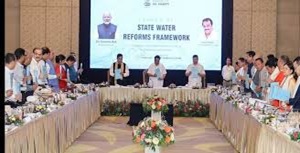
  • The Union Minister of Jal Shakti presided over the 14th meeting of the High-Powered Review Board of the Brahmaputra Board in Guwahati.

Key Facts:

  • Establishment and Nature: It is a statutory body established under the 'Brahmaputra Board Act, 1980'.
  • Ministry: It functions under the Department of Water Resources, River Development, and Ganga Rejuvenation, Ministry of Jal Shakti.
  • Headquarters: Its headquarters is located in Guwahati, Assam.
  • Jurisdiction: Originally, its jurisdiction covered the Brahmaputra and Barak Valleys; however, following a recent reorganization, areas of Sikkim and West Bengal have also been included within its purview.
  • Key Functions: To conduct surveys and formulate Master Plans for flood control, erosion mitigation, drainage improvement, and the multi-purpose utilization of water resources in the Brahmaputra and Barak Valleys.

Economy and Banking

Coal Production Begins at Urtan and Dhirouli Coal Mines in Madhya Pradesh

  • The Ministry of Coal has started coal production from the Urtan and Dhirouli coal mines in Madhya Pradesh.

Related Facts:

Urtan Coal Mine (Anuppur District):

  • Located in Anuppur district of Madhya Pradesh
  • Allocated to M/s JMS Mining Private Limited
  • Production started from 15 May 2026

Dhirouli Coal Mine (Singrauli District):

  • Located in the resource-rich Singrauli district of Madhya Pradesh
  • Allocated to M/s Mahan Energen Limited (a subsidiary of Adani Power)
  • Production started from 17 May 2026
  • The mine will further strengthen domestic coal supply from the Singrauli region.
  • Coal
  • Coal is a highly important fossil fuel and solid organic substance, also known as “Black Gold”.
  • Black Gold: Coal is popularly called “Black Gold” in the industrial sector.
  • Type of Rock: Coal is mainly found in sedimentary rocks.
  • Best Quality Coal: Anthracite is the highest quality coal (contains 80–95% carbon).
  • Lowest Quality Coal: Peat has the lowest carbon content and is considered the poorest quality coal.
  • Brown Coal: Lignite coal is also known as “Brown Coal”.
  • Domestic Coal: Bituminous coal is most commonly used in households and industries.
  • Most Abundant in India: Bituminous coal is the most widely found type of coal in India.
  • First Coal Mine in India: Coal mining in India first began in 1774 at Raniganj (West Bengal).
  • Largest Coal Reserves in India: Jharkhand has the largest coal reserves in the country.
  • Largest Coal Producer in India: According to current data, Odisha and Chhattisgarh remain among the top coal-producing states.
  • Gondwana Rocks: About 98% of India’s coal is obtained from Gondwana-age rocks.
  • Neyveli: Neyveli in Tamil Nadu is famous for lignite (brown coal) mining.
  • Jharia: The Jharia coalfield in Jharkhand is the main source of coking coal in India.
  • Singrauli: The Singrauli coalfield in Madhya Pradesh is known for its thick coal seams.
  • Carbonisation: The slow chemical process through which coal is formed from plant debris is called carbonisation.

Science and Technology

Advanced "DNA Map" Developed to Identify Pangolin Origins and Trafficking Routes
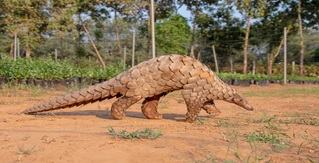
  • In a study published in *PLOS Biology*, a team of international researchers has developed an advanced DNA map to identify the origins and trafficking routes of illegally traded pangolins.
  • This has helped in exposing international wildlife trafficking networks.
  • Using advanced genetic sequencing, the team was able to map the trafficking routes of the three most heavily traded pangolin species: the White-bellied Pangolin, the Sunda Pangolin, and the Chinese Pangolin.

Pangolins:

  • Mammals: Pangolins are mammals.
  • Scaly Armor: They are the only mammals in the world whose bodies are covered in large, protective scales.
  • Composed of Keratin: Their scales are made of a protein called keratin.
  • Common Names: They are commonly referred to as "scaly anteaters" or, in Hindi, as "Vajrashalk."
  • Total Species: There are 8 species of pangolins found worldwide (4 in Asia and 4 in Africa).
  • Presence in India: Two main species are found in India:
  • Indian Pangolin (*Manis crassicaudata*): Found throughout the Indian subcontinent, south of the Himalayas. It is the largest in size among all pangolin species.
  • Chinese Pangolin (*Manis pentadactyla*): Primarily found in Northeast India (Assam, Eastern Himalayas) and parts of Bihar and West Bengal.
  • Illegal Trafficking: Pangolins are the most illegally trafficked mammals in the world. Their scales are used in traditional Chinese medicine, while their meat is consumed as a delicacy.

IUCN Red List Status:

  • Indian Pangolin: Classified as "Endangered" (EN). Chinese Pangolin: Classified as Critically Endangered (CR).
  • CITES: It is listed in Appendix I of CITES (Convention on International Trade in Endangered Species), which implies a complete ban on its international commercial trade.
  • Wildlife Protection Act, 1972: In India, it enjoys the highest level of legal protection under Schedule I (similar to that accorded to tigers and lions).
  • World Pangolin Day: It is observed annually on the third Saturday of February to raise awareness regarding the conservation of this species.

Flexible Nano-Gold Energy Film Developed
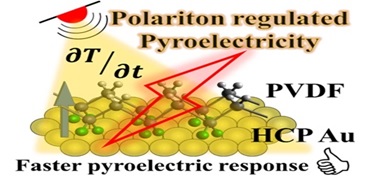
  • Scientists at the Institute of Nano Science and Technology (INST) have developed a highly efficient, ultra-thin, and flexible film embedded with gold nanoparticles.

Key Facts:


  • Pyroelectric Effect: This film operates based on the 'pyroelectric effect' (converting minute changes in temperature or thermal fluctuations directly into electrical signals).
  • Materials Used: This technology utilizes a flexible polymer called Polyvinylidene Fluoride (PVDF) as its base material.
  • Incorporation of Nano-Gold: The scientists have embedded microscopic hexagonal gold nanoparticles within a PVDF film that is less than 100 nanometers thick.
  • Improved Efficiency: The gold nanoparticles highly organized the molecular dipoles within the film, thereby significantly boosting its thermal-to-electrical energy conversion efficiency.
  • Temperature Range: This material functions efficiently even within a narrow ambient temperature range of 294 to 301 Kelvin.

Potential Applications:

  • Wearable Electronics: It can be integrated into smartwatches, fitness bands, or clothing that can be charged using body heat.
  • Smart Sensors and Health Devices: Useful in low-power medical implants, glucose monitors, and skin-friendly sensors.
  • Environmental Monitoring: For powering autonomous sensors that collect data by utilizing ambient temperature variations.
  • Smart Photodetectors: For creating devices that respond to both light and thermal stimuli.

Shukrayaan Mission

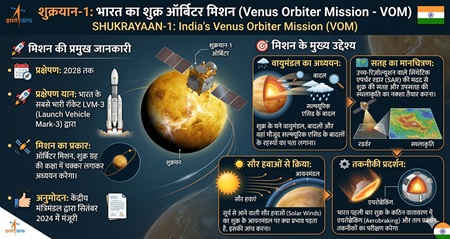
  • Sweden has joined ISRO's upcoming Shukrayaan mission (Venus exploration).

Shukrayaan Mission:


  • Launch: By 2028
  • Launch Vehicle: India's heaviest rocket, the LVM-3 (Launch Vehicle Mark-3)
  • Mission Type: Orbiter mission; it will study the planet by orbiting Venus.
  • Approval: Approved by the Union Cabinet in September 2024.

Key Objectives of the Mission:

  • Atmospheric Study: To unravel the mysteries of Venus's dense atmosphere, its cloud cover, and the sulfuric acid clouds present there.
  • Surface Mapping: To map the topography of Venus's surface and subsurface using a high-resolution Synthetic Aperture Radar (SAR).
  • Interaction with Solar Winds: To investigate the impact of solar winds—originating from the Sun—on Venus's ionosphere.
  • Technological Demonstration: For the first time, India will test aerobraking and thermal management technologies within the challenging environment of Venus.

SMILE Satellite

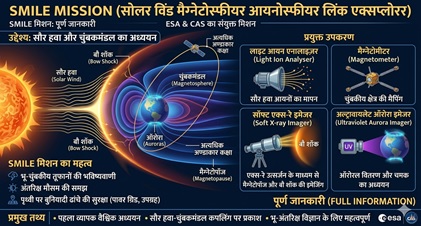
  • The Solar Wind Magnetosphere Ionosphere Link Explorer (SMILE) satellite was successfully launched via a Vega-C rocket from Europe's spaceport located in French Guiana.

SMILE Mission:


  • Joint Mission: This is a joint mission between the European Space Agency (ESA) and the Chinese Academy of Sciences (CAS).
  • Objective: Its primary objective is to study the interactions occurring between the Sun's solar winds and Earth's magnetosphere.
  • Instruments Used: Light Ion Analyzer, Magnetometer, Soft X-ray Imager, Ultraviolet Aurora Imager.

International News

Official Announcement of the Formation of PGSA
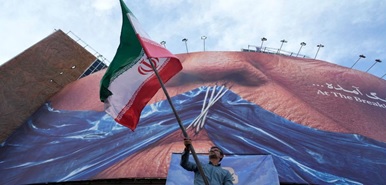
  • Iran's top security body, the Supreme National Security Council, has officially announced the formation of the Persian Gulf Strait Authority (PGSA) to regulate maritime traffic and cargo operations within the strategically vital Strait of Hormuz.

Related Facts:


Strait of Hormuz:

  • Which two water bodies does it connect? The Persian Gulf and the Gulf of Oman.
  • Between which countries is it situated? Iran (to the north) and Oman/UAE (to the south).
  • Significance: It is referred to as the 'World's Oil Lifeline' (approximately 20% of global oil passes through this strait).

Other Major Straits of the World:

  • Strait of Malacca: Connects the Andaman Sea and the South China Sea (Indonesia–Malaysia).
  • Palk Strait: Connects the Gulf of Mannar and the Bay of Bengal (India–Sri Lanka).
  • Strait of Gibraltar: Connects the Mediterranean Sea and the Atlantic Ocean (known as the 'Key to the Mediterranean').
  • Bab-el-Mandeb: Connects the Red Sea and the Gulf of Aden (known as the 'Gate of Tears').

International Institutions and Headquarters:

  • UNCLOS: United Nations Convention on the Law of the Sea (Headquarters: Kingston, Jamaica).
  • CENTCOM: U.S. Military Command (Headquarters: Tampa, Florida, USA).

79th World Health Assembly

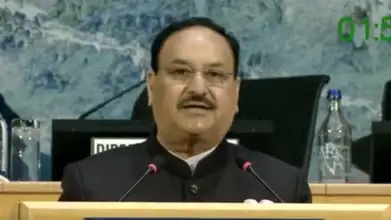
  • Union Health Minister Jagat Prakash Nadda addressed the 79th World Health Assembly in Geneva.
  • He reiterated India's unwavering commitment to equitable, inclusive, and people-centric healthcare under the guiding principle of "Health for All."

79th World Health Assembly (WHA 79):


  • Event: Held from May 18 to 23, 2026, in Geneva, Switzerland.
  • Theme: "Reshaping Global Health: A Shared Responsibility"
  • Health ministers and experts from over 165 countries participated in the event.
  • Objective of the Event: To strengthen global cooperation for inclusive, resilient, and sustainable health systems.

World Health Organization (WHO):

  • Nature: It is a specialized agency of the United Nations (UN) responsible for international public health.
  • Headquarters: Geneva, Switzerland.
  • Members: Currently comprises 194 member countries.
  • Functions: To provide leadership on global health matters, set the agenda for health research, establish norms and standards, and provide evidence-based policy options.
  • India and the WHO: India is a member of the WHO's South-East Asia Region, and its regional headquarters is located in New Delhi.
  • World Mental Health Day is observed annually on October 10.


Latest Courses