08 May, 2026
Launch of “Mizoram Ginger Mission”
Thu 14 May, 2026
Context:
- Jyotiraditya Scindia, Union Minister for Development of North Eastern Region, launched the “Mizoram Ginger Mission” in Mizoram with an outlay of ₹189.79 crore.
Key Highlights:
- Objective: To transform Mizoram’s pharma-grade ginger into a global premium brand through value addition, processing, and exports.
- Total Budget: ₹189.79 crore
- Target Group: Around 20,000 farmer families in the state will be linked to this integrated value-chain ecosystem.
- Economic Significance: Mizo ginger contains 6-8% oleoresin, nearly double the global average (~3%).
- Farmers currently receive only ₹8-15 per kg, while the international market value exceeds ₹500 per kg. The mission aims to eliminate this disparity.
- Four Main Pillars: Convergence, value addition, branding, and market integration.
- Main Processing Hub: To be established at Muallkawi in Champhai district, the largest ginger-producing district of Mizoram.
- GI-tagged Varieties: ‘Thingpui’ and ‘Thinglaidum’ received Geographical Indication (GI) tags in 2021.
Leadership and Institutional Support:
- Ministry of Agriculture and Farmers Welfare
- Ministry of Rural Development
- Ministry of Food Processing Industries
- National Bank for Agriculture and Rural Development (NABARD), Indian Council of Agricultural Research (ICAR), and Agricultural and Processed Food Products Export Development Authority (APEDA)
- ₹30.13 crore financial assistance has been provided under the Focused Development Component of the North Eastern Council (NEC) for the processing component.
Brand North East Strategy:
This mission is part of the Government of India’s “Brand North East” strategy, under which each northeastern state is being assigned a distinct agricultural identity:
- Sikkim – Organic State
- Arunachal Pradesh – Kiwi
- Tripura – Queen Pineapple
- Nagaland – Coffee
- Meghalaya – Lakadong Turmeric
- Mizoram – Ginger (NITI Aayog declared Mizoram as India’s “Ginger Capital” in November 2025)
About Ginger:
- Scientific Name: Zingiber officinale
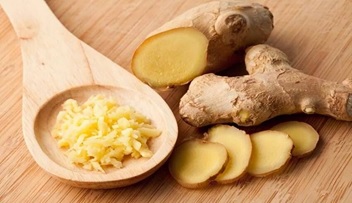
- Plant Part: Ginger is a modified stem known botanically as a rhizome.
- Family: It belongs to the Zingiberaceae family. Turmeric and cardamom are also part of this family.
- Pungency and Aroma: The pungent taste of ginger is due to the compound gingerol, which converts into shogaol upon drying. Its characteristic aroma is due to zingiberene oil.
- Climate: A tropical crop requiring warm and humid conditions.
- Soil: Loamy soil rich in organic matter is considered ideal for cultivation.
Major Ginger-Producing States in India:
- Odisha – One of the largest producers due to vast cultivation area.
- West Bengal – Known for high-quality ginger varieties.
- Meghalaya – Famous for organic ginger cultivation.
- Sikkim – Produces premium organic ginger.
- Karnataka – Large-scale commercial cultivation.
- Global Position: India is the world’s largest producer of ginger.
About Mizoram:
- Mizoram is a strategically important and scenic state in Northeast India.
- It is known as the “Land of Blue Mountains.”
- Capital: Aizawl
- Chief Minister: Lalduhoma
- Governor: Vijay Kumar Singh
- Statehood Day: 20 February 1987 (23rd state of India). Before 1972, it was a district of Assam called Lushai Hills, later becoming a Union Territory.
- Legislature: Unicameral; Assembly Seats – 40, Lok Sabha – 1, Rajya Sabha – 1.
- Literal Meaning: “Mizo” means hill people and “Ram” means land — “Land of Hill People.”
- International Borders: Borders Bangladesh in the west and Myanmar in the east and south, with an international boundary of around 1100 km.
- Domestic Borders: Assam and Manipur in the north, Tripura in the west.
- Forest Cover: More than 85% of the state is covered with dense forests and greenery.
- Highest Peak: Phawngpui, also known as the “Blue Mountain.”
- Languages: Mizo and English.
- Cheraw Dance: Also called the “Bamboo Dance,” it is the most famous traditional folk dance of Mizoram.
- Major Festivals (Kuts):
-
- Chapchar Kut – Largest spring festival celebrated after completion of Jhum cultivation.
- Mim Kut and Pawl Kut.