


 Don't Have an Account?




SSC Foundation Ramanujam - 21 Offline Cum Online Batch Orai
02 November, 2026



Enter your Email ID and we'll send you a link to get back into your account.

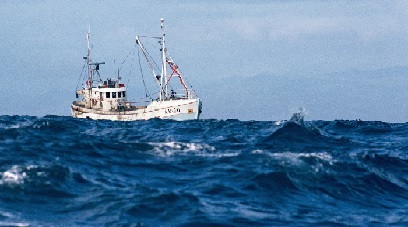

High Seas Treaty
Mon 19 Jan, 2026
The High Seas Treaty, formally known as the Agreement on Biodiversity Beyond National Jurisdiction (BBNJ), represents a landmark development in global ocean governance. It is the world’s first legally binding international agreement specifically aimed at the conservation and sustainable use of marine biological diversity in areas beyond national jurisdiction, commonly referred to as the high seas. The treaty entered into force on January 17, 2026, marking a historic step in the regulation of nearly two-thirds of the world’s oceans.
Entry into Force and Global Acceptance
Background
Core Pillars of the High Seas Treaty
The treaty is structured around four interlinked pillars:
1. Marine Genetic Resources (MGRs): The agreement establishes mechanisms for the fair and equitable sharing of benefits arising from the use of marine genetic resources found in the high seas, addressing concerns that advanced countries and corporations might monopolize these resources.
2. Area-Based Management Tools (ABMTs): For the first time, the treaty enables the creation of Marine Protected Areas (MPAs) in international waters, allowing coordinated global action to conserve biodiversity hotspots and fragile ecosystems beyond national control.
3. Environmental Impact Assessments (EIAs): The treaty mandates prior environmental impact assessments for activities that may cause significant harm to marine ecosystems, embedding the precautionary and preventive principles into high seas governance.
4. Capacity Building and Technology Transfer: Special emphasis is placed on developing and least-developed countries, ensuring they have access to marine scientific knowledge, technology, and institutional capacity to participate effectively in ocean governance.
Institutional and Legal Significance
The High Seas Treaty functions within the UNCLOS framework, strengthening rather than replacing it. It establishes new institutional mechanisms, including:
Legally, it reinforces principles such as sustainable development, intergenerational equity, and the concept of the global commons.
Implications for India
India’s pending ratification reflects the need to:
Once ratified, the treaty could enhance India’s role in global ocean governance, strengthen its blue economy strategy, and support its commitments under SDG 14 (Life Below Water).
Conclusion
Key Facts and Terms
| Term / Concept | Explanation |
| UNCLOS | United Nations Convention on the Law of the Sea |
| Marine Genetic Resources (MGRs) | Genetic material from marine organisms with commercial/scientific value |
| Area-Based Management | Tools (ABMTs) Tools such as Marine Protected Areas for conservation |
| Marine Protected Areas (MPAs) | Designated zones for biodiversity conservation |
| Environmental Impact Assessment (EIA) | Process to evaluate environmental effects of proposed activities |
| Precautionary Principle | Preventive action in the face of environmental uncertainty |
| Capacity Building | Enhancing skills and institutional capabilities of developing countries |
| Technology Transfer | Sharing marine science and technological tools |
| Global Commons | Resources beyond national control (oceans, atmosphere, Antarctica) |
| SDG 14 | UN Sustainable Development Goal: Life Below Water |
| 30x30 Target | Protecting 30% of land and sea areas by 2030 |
02 November, 2026
01 November, 2026
10 September, 2026
24 August, 2026
06 August, 2026
28 July, 2026
27 July, 2026
22 July, 2026
20 July, 2026
26 May, 2026
