15 January, 2026
India’s First Butterfly Sanctuary
Thu 15 Jan, 2026
Context
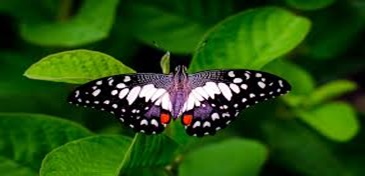
- The Government of Kerala has officially renamed the Aralam Wildlife Sanctuary, located in Kannur district, as Aralam Butterfly Sanctuary, making it India’s first dedicated butterfly sanctuary.
Key Highlights
- Notification:The official name change was notified under the Wildlife (Protection) Act, 1972.
- Reason:To conserve the high diversity of butterfly species and protect and promote their natural habitats.
- Butterfly Diversity:Around 266 butterfly species are found here, accounting for over 80% of Kerala’s total butterfly diversity.
- Endemic Species:27 species are endemic to the Western Ghats.
- Legal Protection:Six butterfly species recorded in Aralam are listed under Schedule I of the Wildlife (Protection) Act, 1972.
- Historical Status:The area was originally declared a Wildlife Sanctuary in 1984.
- Global Significance:Part of the Western Ghats, a UNESCO World Natural Heritage Site.
- Impact:Strengthens biodiversity conservation, promotes environmental education and eco-tourism, and encourages community participation in butterfly conservation.
Aralam Wildlife Sanctuary
- Northernmost wildlife sanctuary of Kerala
- Location: Kannur district, Kerala
- Established: 1984
- Area: Approximately 55 sq km
- Physiography:Part of the Western Ghats, Tropical evergreen and semi-evergreen forests
- Biodiversity:Rich floral and faunal diversity, Especially famous for its abundance of butterflies
- River:The Cheenkanni River, originating from the Brahmagiri ranges, flows through the sanctuary and enhances habitat richness.
- Butterfly Species:More than 266 species, over 80% of Kerala’s butterfly diversity.
- Wildlife:Elephant, Gaur (Indian bison), Sambar deer, Malabar giant squirrel, Langur, Occasional sightings of Tiger and Leopard, Habitat of the rare Slender Loris
Major Attractions
- Katti Betta Peak:Highest peak in the sanctuary at 1,145 metres.
- Meenmutty Waterfall:Located inside the sanctuary; popular among trekkers.
- River System:Cheenkannipuzha River forms the main drainage system.
Butterfly (General Information)
- Scientific Classification:Butterflies belong to the order Lepidoptera, which includes both butterflies and moths.
- Global Diversity:Around 18,500+ butterfly species worldwide.
Life Cycle (Metamorphosis)
- Egg: Female lays eggs on plant leaves.
- Larva / Caterpillar: Feeds on leaves and grows rapidly.
- Pupa / Chrysalis: Transformation occurs inside a hard covering.
- Adult Butterfly: Emerges with fully developed wings.
Body Structure
- Three main body parts: Head, Thorax, Abdomen
- Six legs and two antennae
- Wings covered with thousands of tiny colored scales, giving butterflies their vibrant appearance.
Ecological Importance
- Pollination:Assist in pollination by moving pollen between flowers.
- Food Chain:Important food source for birds, reptiles, and other insects.
- Environmental Indicators:Presence of butterflies indicates a healthy ecosystem.
Some Major Butterflies of India
- Southern Birdwing – Largest butterfly of India
- Grass Jewel – One of the smallest butterflies
- Common Jezebel – Brightly colored and commonly seen in gardens
Major Butterfly Conservation Areas and Parks in India
- Bannerghatta Biological Park (Karnataka):India’s first butterfly conservation park (2006).
- Sikkim Butterfly Sanctuary Park (Sikkim):Known for high butterfly diversity due to unique geography.
- Asola Bhatti Wildlife Sanctuary (New Delhi):Butterfly park with trails and wildflower habitats.
- Tropical Butterfly Conservatory (Tiruchirappalli, Tamil Nadu):Located near Anamalai Tiger Reserve.
- Butterfly Conservatory of Goa (Goa):Popular Western Ghats butterfly habitat.
- Ovalekar Wadi Butterfly Garden (Thane, Maharashtra):Famous private butterfly garden near Mumbai.
- Aralam Butterfly Sanctuary (Kerala):Recently upgraded; a crucial butterfly migration and conservation site in the Western Ghats.