15 January, 2026
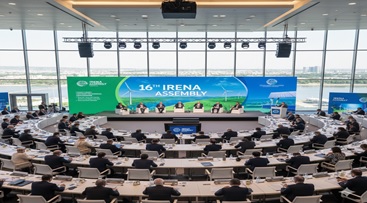
16th Session of the IRENA Assembly
Tue 13 Jan, 2026
Context:
- The 16th session of the Assembly of the International Renewable Energy Agency (IRENA) was held from 10–12 January 2026 in Abu Dhabi, United Arab Emirates.
Key Highlights:
- Theme: “Energizing Humanity: Renewables for Shared Prosperity”
- Participants: More than 1,500 delegates, including ministers and senior officials from 139 countries
- Presidency: Chaired by the Dominican Republic
- Key Discussion Areas:
-
- Strategies to accelerate the energy transition
- Green industrialization
- Energy grids and grid modernization
- Digital innovation and financing mechanisms
- India’s Position:
-
- Union Minister Shri Pralhad Joshi highlighted India’s achievement of the 50% non-fossil fuel capacity target by 2025
- Emphasis on energy storage solutions and grid modernization
- Significance:
- First major global energy conference of the year
- Marked the official inauguration of Abu Dhabi Sustainability Week (ADSW) 2026
Major Discussions and Outcomes:
- Review of Global Targets:
-
- Assessment of progress toward the COP28 goal of tripling global renewable energy capacity by 2030
- AI and Digital Innovation:
-
- For the first time, in-depth discussions on the role of Artificial Intelligence (AI) in the energy transition
- Focus on AI-enabled grid management and energy efficiency
- Climate Finance:
-
- Strong emphasis on concessional finance and investment mobilization for developing countries, especially Africa and Small Island Developing States (SIDS)
- Sustainable Aviation Fuel (SAF):
-
- Discussions on green hydrogen and other clean fuels to decarbonize the aviation sector
- Abu Dhabi Sustainability Week (ADSW):
-
- The Assembly also symbolized the official launch of ADSW 2026
India’s Participation:
- India showcased its renewable energy achievements and called for enhanced global cooperation under the principle of “Vasudhaiva Kutumbakam” (The World is One Family)
- The Indian delegation highlighted leadership in solar energy and green hydrogen
- Union Minister Shri Pralhad Joshi reiterated India’s commitment to:
-
- Achieving 500 GW of non-fossil fuel installed capacity by 2030
- Attaining Net Zero emissions by 2070
- India achieved 50% of its installed electricity capacity from non-fossil fuel sources in 2025, five years ahead of its Paris Agreement NDC target
- India’s renewable energy capacity has crossed 266 GW, placing it among the global leaders in renewable energy deployment
India’s Energy Achievements (2025):
- 50% of total installed electricity capacity now comes from non-fossil sources (renewables, hydropower, and nuclear energy)
- Non-fossil fuel capacity (2025): 266.78 GW
- Growth over 2024: 22.6%
- Non-fossil capacity in 2024: 217.62 GW
- Capacity addition during the year: 49.12 GW
Renewable Energy Breakdown:
Solar Energy:
- Leading contributor to renewable energy expansion
- Installed capacity (2024): 97.86 GW
- Installed capacity (2025): 135.81 GW
- Growth: 38.8%
Wind Energy:
- Capacity increased from 48.16 GW to 54.51 GW
- Growth: 13.2%
Bio-energy:
- Installed capacity reached 11.61 GW
- Includes 0.55 GW from off-grid Waste-to-Energy projects
Panchamrit Targets:
1. 500 GW Non-Fossil Capacity:
- Achieve 500 GW of non-fossil fuel-based energy capacity by 2030
2. 50% Renewable Energy Dependence:
- Meet 50% of total energy requirements from renewable sources by 2030
3. Reduction in Carbon Emissions:
- Reduce projected cumulative carbon emissions by 1 billion tonnes by 2030
4. Reduction in Carbon Intensity:
- Reduce the carbon intensity of the economy by over 45% by 2030
5. Net Zero Target:
- Achieve Net Zero emissions by 2070