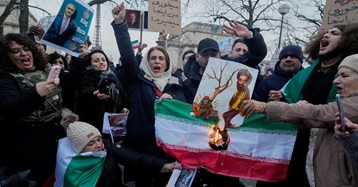
Protests in Iran
 
  • Mobile Menu
HOME BUY MAGAZINEnew course icon
LOG IN SIGN UP

Sign-Up IcanDon't Have an Account?


SIGN UP


Login Icon

Have an Account?


LOG IN
 

or
By clicking on Register, you are agreeing to our Terms & Conditions.


or


Protests in Iran

Mon 12 Jan, 2026

Iran has witnessed widespread nationwide protests (2025–26) triggered by severe economic distress, which later expanded into political and governance-related dissent. The protests have drawn international attention due to alleged human rights violations, internet shutdowns, and geopolitical implications.


Background

Iran is a theocratic republic where ultimate authority rests with the Supreme Leader. Over the last decade, Iran has faced:

  • Economic sanctions (especially US-led)
  • High inflation
  • Currency depreciation
  • Youth unemployment
  • Restricted civil liberties

Earlier protest waves were seen in 2009 (Green Movement), 2017–18, 2019 fuel protests, and 2022 protests. The current unrest represents a continuation and intensification of these trends.


Immediate Causes of the Protests

1. Economic Crisis (Primary Trigger)

  • Inflation crossed 40%+
  • Iranian Rial sharply devalued
  • Rising prices of food, fuel, housing
  • Reduction in subsidies and new taxation measures
  • Widening gap between elite and common citizens

2. Governance and Political Discontent

  • Public frustration with authoritarian governance
  • Limited political participation
  • Lack of accountability
  • Corruption allegations

Many protests evolved from economic slogans to anti-establishment political slogans.

3. Social Factors

  • Youth-led protests
  • Students and urban middle class participation
  • Long-standing restrictions on freedom of expression

Spread and Nature of Protests

  • Started in Tehran (Grand Bazaar)
  • Spread to Isfahan, Shiraz, Mashhad, Tabriz, Hamadan, etc.
  • Nationwide presence across multiple provinces
  • Participation of traders, workers, students

Nature:

  • Peaceful protests initially
  • Later clashes with security forces
  • Attacks on symbols of state authority reported

Government Response

  • Deployment of security forces
  • Internet and communication shutdowns
  • Large-scale arrests
  • Use of force to disperse crowds
  • Labeling protests as “foreign-sponsored unrest”

International Reaction

  • Western countries raised concerns over human rights
  • Calls for restraint and dialogue
  • Iran accused foreign powers of interference
  • Heightened diplomatic tensions, especially with the US

Geopolitical Significance

1. Regional Stability

  • Iran plays a key role in:
  • West Asia geopolitics
  • Energy security
  • Strait of Hormuz (oil transit route)

Internal instability could affect:

  • Oil prices
  • Regional security dynamics

2. Global Order

  • Raises questions on sovereignty vs human rights
  • Reflects challenges in sanction-hit economies
  • Highlights limits of coercive diplomacy

Implications for India

1. Energy Security

  • Iran is a major oil producer
  • Instability may affect global oil supply and prices

2. Regional Diplomacy

  • India maintains balanced relations with:
    • Iran
    • USA
    • Gulf countries
  • Chabahar Port project is strategically important

3. Indian Diaspora

  • Safety of Indians in Iran
  • Evacuation preparedness (if situation worsens)

Conclusion

The protests in Iran are not isolated events but part of a long-term structural crisis combining:

  • Economic stress
  • Political centralisation
  • Social discontent

While the immediate trigger is economic, the underlying causes are systemic. The developments will have significant implications for West Asia, global energy markets, and international diplomacy.

Latest Courses