


 Don't Have an Account?




SSC Foundation Eklavya - 2 Offline Cum Online Batch Lucknow Branch
10 September, 2026



Enter your Email ID and we'll send you a link to get back into your account.

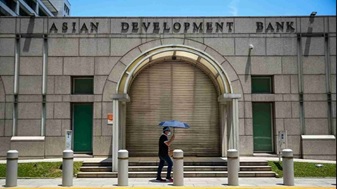

Loan Agreement between the Government of India and the Asian Development Bank (ADB)
Wed 17 Dec, 2025
Context:
The Government of India and the Asian Development Bank (ADB) have recently signed loan agreements worth more than USD 2.2 billion to accelerate development projects across various states of India.
Key Highlights:
Major Projects and Their Objectives:
Dedicated loans for solar energy and energy-efficiency projects, supporting India’s Net Zero commitments.
Detailed Description of Each Project:
| Project Name | Amount (USD) | States/Regions Covered | Key Objective | Expected Beneficiaries | Impact |
| Prime Minister’s Skilling and Employability Transformation (PM SET) Programme | 846 million | 12 states (including Maharashtra, Gujarat, Tamil Nadu, etc.) | Modernization of 650 Industrial Training Institutes (ITIs) and upgrading 5 National Skill Training Institutes as Centres of Excellence | 1.3 million youth (especially rural populations and women) | 20% increase in employment rate; skilled workforce for renewable energy, electric mobility, and advanced manufacturing |
| Accelerating Affordable and Inclusive Rooftop Solar Systems Development Programme (Subprogramme 1) | 650 million | Pan-India | Promotion of rooftop solar under PM Surya Ghar: Muft Bijli Yojana, regulatory reforms, and low-interest loans | Over 10 million households | Addition of 10 GW solar capacity; 50% reduction in electricity bills; 7 million tonnes reduction in carbon emissions |
| Assam State Tertiary Health Care Augmentation Project (ASTHA) | 398.8 million | Assam | Modernization of medical colleges in Guwahati, Dibrugarh, and Silchar; strengthening medical education | Over 5 million people (especially rural populations) | 1,000 additional hospital beds; improved medical education; 15% reduction in mortality rate |
| Chennai Metro Rail Investment Project (Tranche 2) | 240 million | Tamil Nadu (Chennai) | Construction of 20 km of elevated and underground corridors with 18 new stations | 2 million daily commuters | 30% reduction in traffic congestion; climate-resilient stations; employment generation (50,000 jobs) |
| Integrated Ecotourism and Sustainable Agri-based Livelihood Development Project in Meghalaya | 77 million | Meghalaya | Promotion of ecotourism, climate-smart agriculture, and local livelihoods | 100,000 tribal and local farmers | 25% increase in income; 10,000 tourism-related jobs; enhanced forest conservation and biodiversity |
Strategic Significance of the Loan Agreement:
10 September, 2026
24 August, 2026
06 August, 2026
28 July, 2026
27 July, 2026
22 July, 2026
20 July, 2026
26 May, 2026
08 May, 2026
20 April, 2026
