Possibility of Continental Split in Africa
 
  • Mobile Menu
HOME BUY MAGAZINEnew course icon
LOG IN SIGN UP

Sign-Up IcanDon't Have an Account?


SIGN UP


Login Icon

Have an Account?


LOG IN
 

or
By clicking on Register, you are agreeing to our Terms & Conditions.


or


Possibility of Continental Split in Africa

Thu 11 Dec, 2025

Reference:

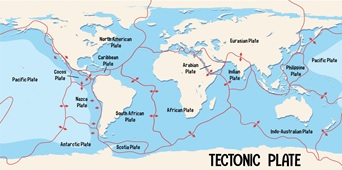
  • According to researchers, the African continent is undergoing a geological transformation. This change could potentially split the continent into two major parts, and a new oceanic basin (New Ocean Basin) may form over the next 5–10 million years.

Process and Direction of the Split:

  • The split is progressing from the northeast to the south of the continent, described by scientists as a motion similar to the “zip on a jacket.”
  • During this process, volcanic and seismic activities are intense.
  • Once the split is complete, Africa will likely transform into two distinct regions:
    • Western part: Major countries such as Egypt, Algeria, Nigeria, Ghana, and Namibia will be included.
    • Eastern part: Somalia, Kenya, Tanzania, Mozambique, and a significant portion of Ethiopia will be included.

Scientific Approach and Study:

  • New Magnetic Data: Reanalysis of old data using modern techniques revealed that the Earth’s crust is slowly and steadily undergoing rifting.
  • Three Major Rift Systems: In the Afar region (Red Sea, Gulf of Aden, Main Ethiopian Rift), three rifts converge, forming a Triple Junction. This area shows the earliest and clearest signs of continental breakup.
  • Geological Evidence: Old magnetic data confirms that seafloor spreading occurred between Africa and Arabia in the past.

Key Geological Sites:

  • East African Rift: A fault zone approximately 4,000 miles long, stretching from East Africa to Mozambique.
  • Important Lakes: Lake Malawi and Lake Turkana will be affected by this rifting process.

Basis of Geological Theory:

  • This entire process is based on the Plate Tectonics theory.
  • Earth’s continents have never been permanently fixed; over millions of years, plates have fractured and drifted apart.
  • The formation of a new oceanic basin will be completed through Seafloor Spreading.

Scientific Importance:

  • Studying the Afar region is crucial for understanding the initial stages of continental breakup.
  • Magnetic data provides insight into geological history and the future formation of oceans.
  • This study highlights the continuous dynamism of Earth and its geological transformations.

Process of Continental Breakup:

  • Continental breakup is a process in which the Earth’s tectonic plates gradually stretch and separate, causing a continent to split and form new oceanic basins.
  • This process involves earthquakes and volcanic activity and eventually creates a rift valley, forming new seafloor, which is part of plate tectonics and a fundamental aspect of continental history.

Main Stages of the Process:

  • Stretching and Rifting: Heat in the mantle causes stress on the continental crust, making it stretch, weaken, and eventually fracture.
  • Formation of Rift Valley: As the plates move apart, a long and narrow valley (rift) forms, often marked by earthquakes and volcanic activity as magma rises to the surface.
  • Oceanic Spreading: The rift valley continues to widen and deepen, allowing a continuous flow of magma to form new seafloor, eventually creating a new oceanic basin (e.g., formation of the Atlantic Ocean).
  • Continental Drift: The separated continental fragments continue to drift apart, a process driven by plate tectonics.

Key Factors:

  • Plate Tectonics: The movement of Earth’s tectonic plates is the primary cause of this process.
  • Mantle Plumes: Some scientists believe that rising hot rock (magma) plumes from within the Earth may also accelerate the breakup.
  • Volcanoes & Earthquakes: These are significant geological activities during the breakup, creating new landforms.

Example:

  • Breakup of Pangea: The ancient supercontinent Pangea split into Laurasia and Gondwanaland, which eventually formed the present-day continents—a major example of continental breakup.

Latest Courses